Service_1
Kitchen Tiling

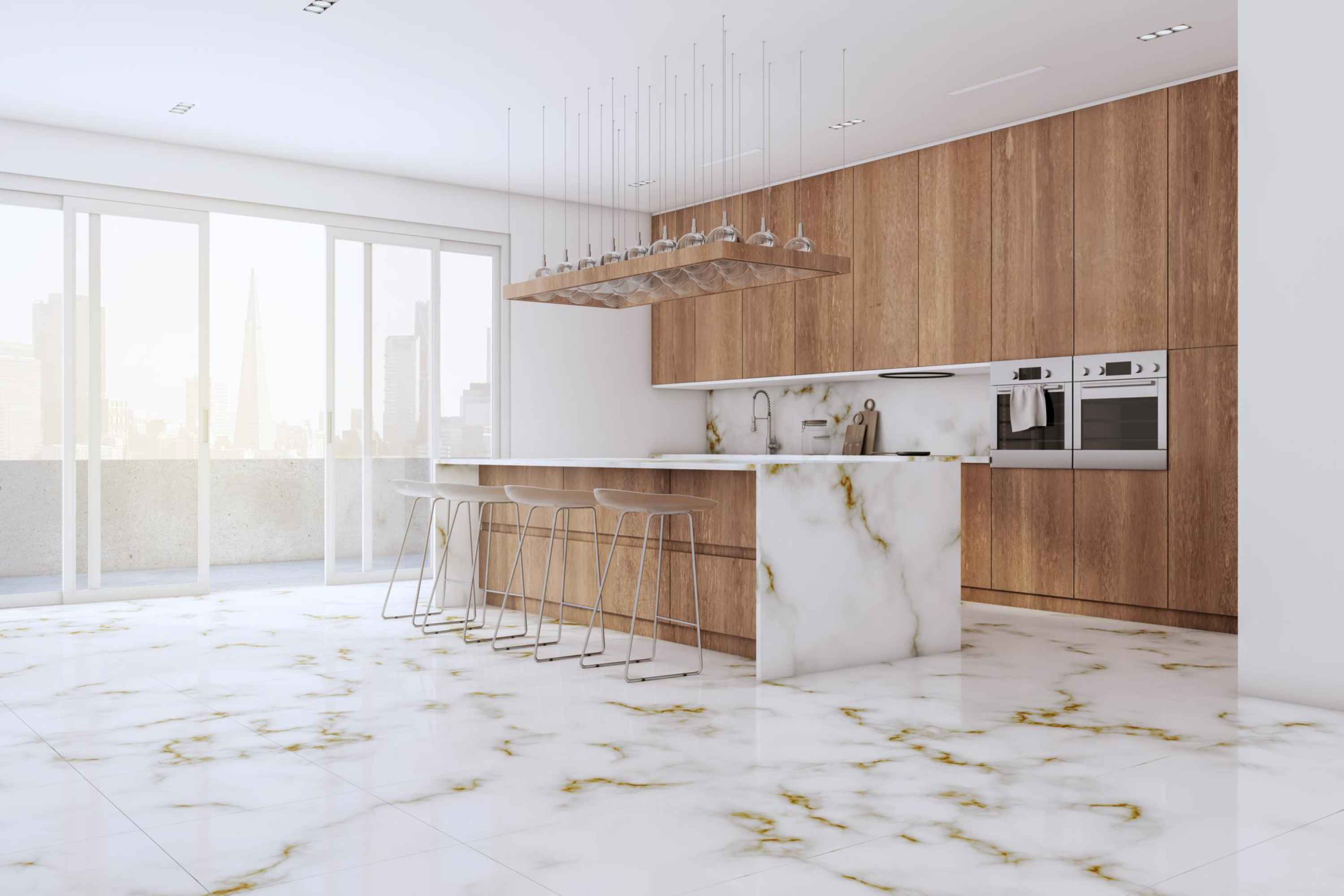
Kitchen tiling is an essential aspect of home design, blending functionality with aesthetics to create a space that is both visually appealing and practical for daily use. From backsplashes to flooring, the right tiles can transform a kitchen into the heart of the home.

When considering kitchen tiling, it's important to select materials that can withstand the demands of the environment. Porcelain and ceramic tiles are popular choices due to their durability and resistance to moisture, stains, and heat. These materials are not only easy to clean but also offer a wide range of colors, patterns, and textures to suit any design style.

The backsplash is a focal point of kitchen tiling, providing an opportunity to add personality and style to the space. Whether opting for classic subway tiles or intricate mosaic designs, the backsplash can tie together the overall aesthetic of the kitchen while protecting the walls from splatters and spills.

Flooring is another critical aspect of kitchen tiling, requiring materials that are both durable and slip-resistant. Porcelain tiles are an excellent choice for kitchen floors, offering durability and low maintenance while providing a stylish and practical surface for everyday use.

Service 2 Image
Bathroom Tiling

The choice of tiles for bathroom surfaces is crucial, with options ranging from classic ceramic to luxurious natural stone. Each material brings its own set of characteristics, whether it's the waterproof properties of porcelain or the timeless elegance of marble, allowing homeowners to personalize their space according to their preferences and budget.

Beyond durability, bathroom tiling plays a pivotal role in enhancing the overall ambiance of the space. From creating a serene retreat with soft, neutral hues to making a bold statement with vibrant patterns and textures, the right tiles can set the tone for relaxation and rejuvenation.

In addition to walls and floors, bathroom tiling extends to shower enclosures and tub surrounds, providing a seamless and hygienic surface that is easy to maintain. Properly installed tiles with grout sealed against water intrusion not only enhance the aesthetic appeal of the bathroom but also contribute to its longevity and cleanliness.

Moreover, bathroom tiling offers endless design possibilities, allowing for creativity and customization in every aspect of the space. Whether it's incorporating decorative accents, experimenting with layout patterns, or mixing different tile sizes and shapes, homeowners can personalize their bathrooms to reflect their unique style and personality.

Service_3
Outdoor Tiling

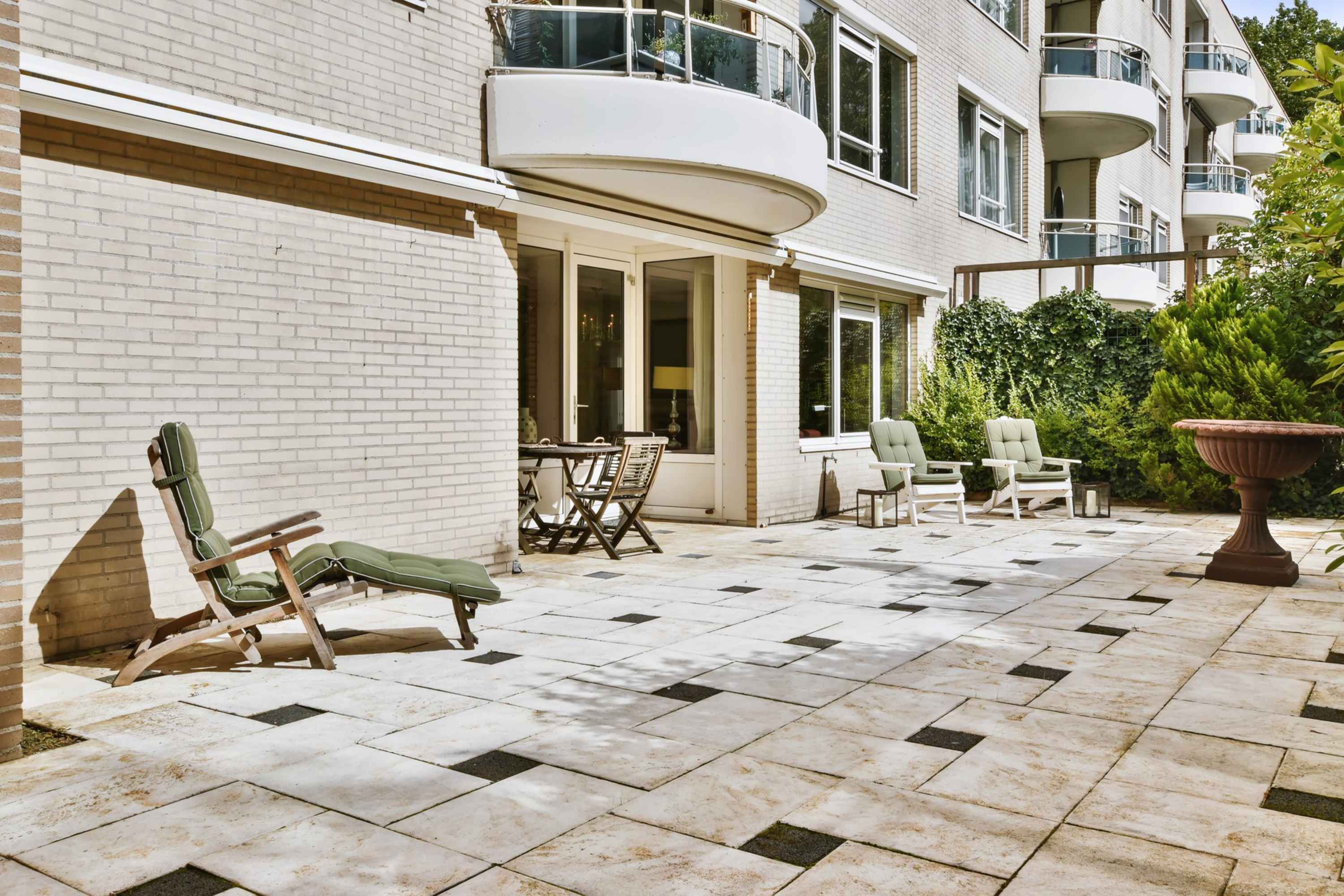
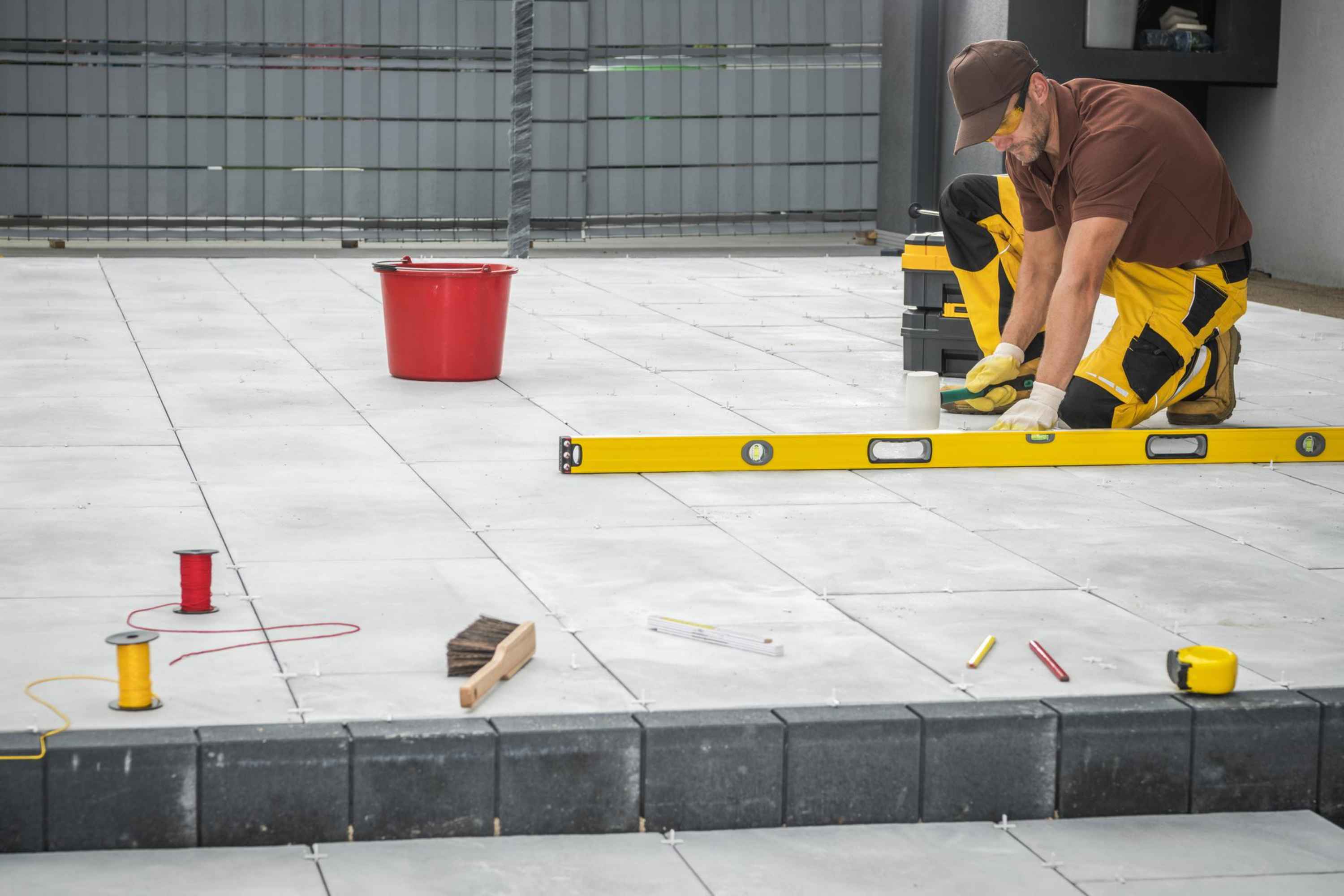
Outdoor tiling is a specialized branch of tiling that focuses on enhancing the aesthetics and functionality of exterior spaces, ranging from patios and pool decks to pathways and outdoor kitchens. Unlike indoor tiling, outdoor surfaces are subjected to harsher environmental conditions such as sunlight, rain, and temperature fluctuations, requiring materials that are durable, weather-resistant, and slip-resistant.

The choice of outdoor tiling materials is critical to ensuring longevity and performance in outdoor environments. Porcelain, natural stone, and concrete pavers are popular options due to their ability to withstand the elements while maintaining their appearance and structural integrity over time. These materials offer a wide range of textures, colors, and patterns to suit various design styles and preferences.

Beyond durability, outdoor tiling plays a significant role in enhancing the visual appeal of outdoor living spaces. Whether creating a cohesive extension of indoor living areas or designing an alfresco retreat, the right tiles can transform ordinary outdoor spaces into inviting and stylish environments for relaxation and entertainment.

In addition to aesthetics, outdoor tiling must also prioritize safety, particularly in areas prone to moisture such as pool decks and patios. Anti-slip surfaces and proper drainage are essential considerations to prevent accidents and ensure a comfortable and secure outdoor experience for residents and guests alike.

Service_4
Residential Tiling

Residential tiling encompasses the art and science of enhancing the interior and exterior spaces of homes with tiled surfaces. It involves a comprehensive approach to transforming various areas such as kitchens, bathrooms, living rooms, and outdoor patios into functional and aesthetically pleasing environments.

The primary objective of residential tiling is to marry functionality with style, providing homeowners with durable and visually appealing surfaces that withstand daily wear and tear while elevating the overall ambiance of their living spaces.

One of the key considerations in residential tiling is selecting the right materials to suit the specific needs and design preferences of homeowners. Whether opting for classic ceramic tiles, versatile porcelain tiles, or luxurious natural stone, the choice of material plays a crucial role in achieving the desired aesthetic and performance characteristics.

In addition to material selection, residential tiling involves meticulous planning and design to ensure seamless integration with existing décor and architectural elements. From coordinating colors and patterns to optimizing layout and tile placement, every aspect of the tiling process is carefully curated to achieve a cohesive and harmonious look throughout the home.

Service_5
Commercial Tiling

Commercial tiling involves the meticulous application of tiles in various non-residential settings such as offices, retail spaces, restaurants, hotels, and public buildings. Unlike residential tiling, commercial projects often require larger-scale installations and must adhere to strict safety and durability standards while still meeting aesthetic requirements.

The primary objective of commercial tiling is to create visually appealing and functional spaces that withstand heavy foot traffic, frequent use, and the demands of commercial activities. Whether it's a sleek lobby floor, a durable kitchen backsplash, or an elegant restroom design, commercial tiling plays a crucial role in shaping the overall ambiance and functionality of commercial environments.

One of the key considerations in commercial tiling is selecting materials that can withstand the rigors of commercial use while still maintaining their aesthetic appeal. Durable and low-maintenance materials such as porcelain, ceramic, and natural stone are commonly used in commercial settings due to their resilience and versatility.

In addition to material selection, commercial tiling requires careful planning and design to ensure compliance with safety regulations, ADA accessibility requirements, and building codes. From slip-resistant surfaces to barrier-free transitions, every aspect of the tiling process must prioritize safety and accessibility for employees, customers, and visitors.

Service_6
Waterproofing

Waterproofing is a critical process that involves applying protective measures to surfaces to prevent water penetration and damage. It is essential in both residential and commercial settings, particularly in areas prone to moisture such as bathrooms, kitchens, basements, and outdoor decks.

The primary objective of waterproofing is to create a barrier that effectively seals surfaces against water intrusion, preventing issues such as mold growth, structural damage, and deterioration of building materials. By safeguarding against water damage, waterproofing extends the lifespan of structures and ensures a healthy and safe environment for occupants.

There are various methods of waterproofing, including membrane systems, liquid applied coatings, and cementitious waterproofing compounds. Each method has its advantages and is selected based on factors such as surface type, exposure to moisture, and budget considerations.

In addition to protecting against water ingress, waterproofing also enhances the durability and performance of surfaces. Properly waterproofed surfaces are more resistant to stains, cracks, and corrosion, resulting in reduced maintenance and repair costs over time.

Service_7
Wall Tiling

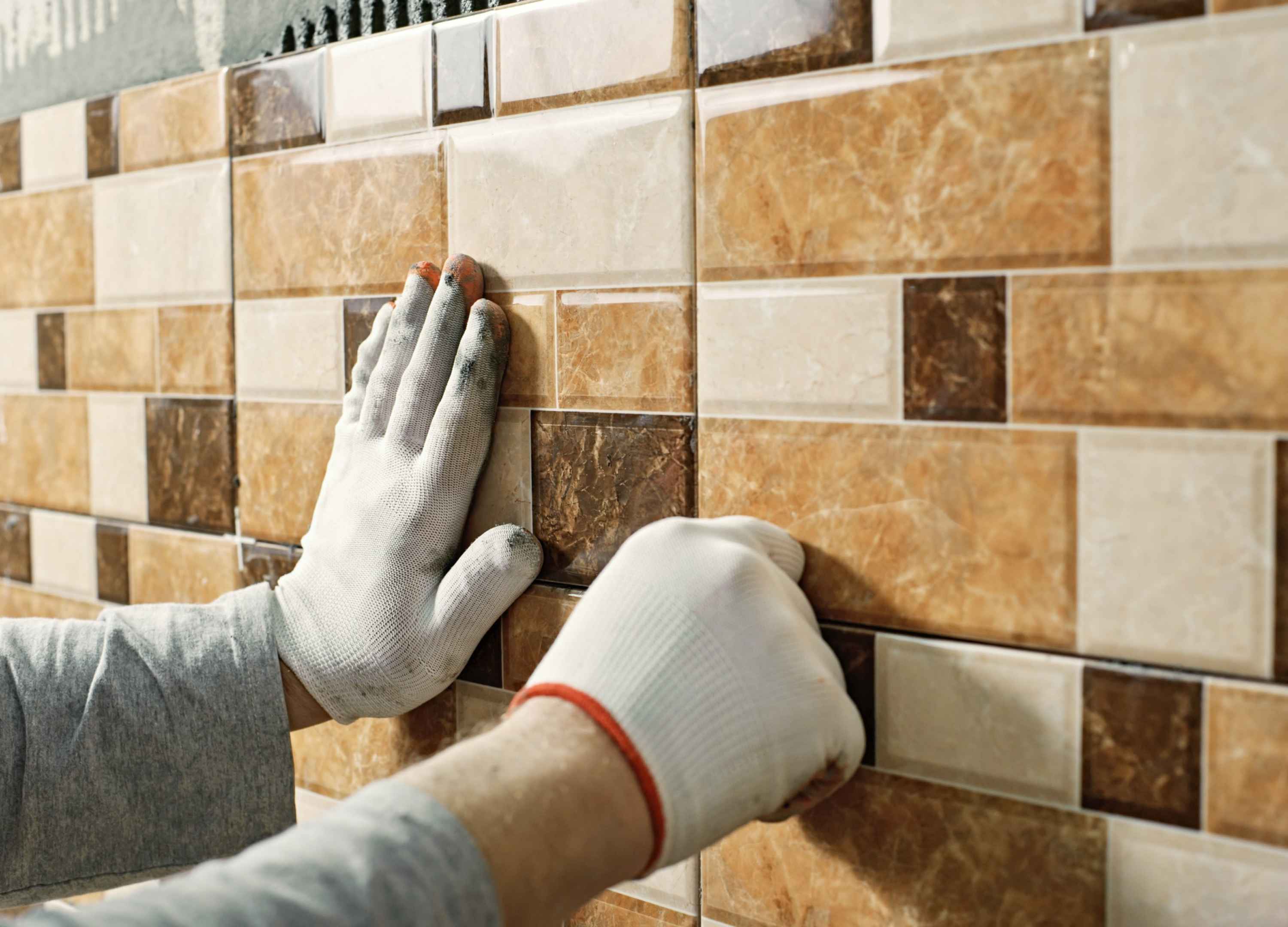
Wall tiling is the process of covering vertical surfaces with tiles, enhancing both the aesthetics and functionality of interior and exterior walls. It is a versatile design element used in residential, commercial, and industrial settings to create visually appealing and durable surfaces.

The primary purpose of wall tiling is to add texture, color, and visual interest to spaces while also providing protection against moisture, stains, and damage. Wall tiles come in a variety of materials, including ceramic, porcelain, glass, natural stone, and mosaic, offering endless design possibilities to suit different styles and preferences.

In addition to enhancing aesthetics, wall tiling serves practical purposes such as waterproofing and easy maintenance. Tiled walls are resistant to water and humidity, making them ideal for areas such as bathrooms, kitchens, and outdoor patios where moisture exposure is common.

Wall tiling can be applied in various patterns and layouts, ranging from classic subway tiles to intricate mosaic designs, allowing for creative expression and customization. Whether creating a focal point with a bold accent wall or achieving a seamless look with monochromatic tiles, the possibilities are endless.

Service_8
Floor Tiling

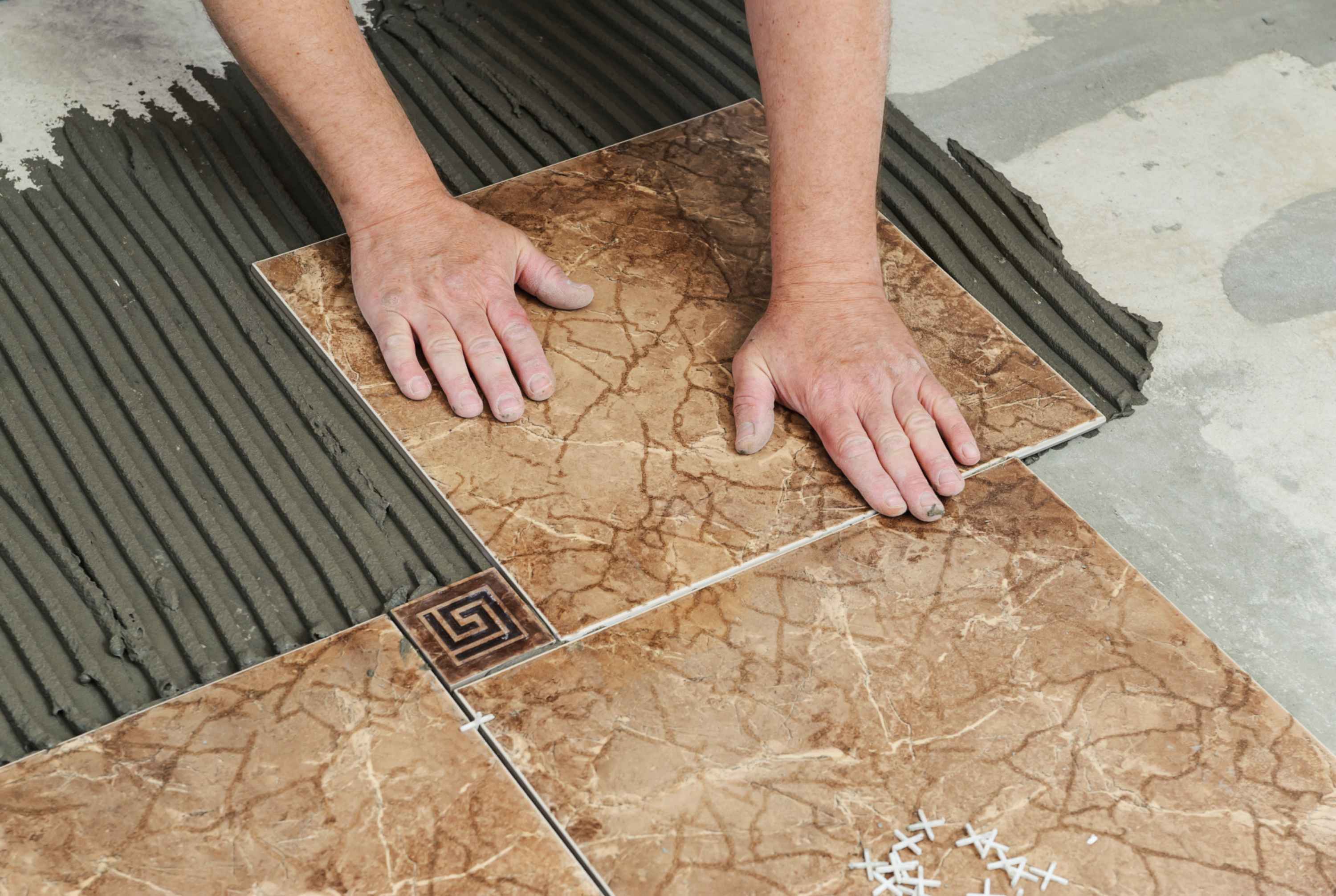
Floor tiling is the art of covering horizontal surfaces with tiles, revolutionizing the appearance and usability of indoor and outdoor spaces. It's a meticulous process that involves selecting the right materials and patterns to create durable, visually stunning, and functional floors.

At its core, floor tiling isn't just about aesthetics; it's about transforming spaces into practical and inviting environments. Tiles come in a multitude of materials, including ceramic, porcelain, natural stone, and glass, each offering unique textures, colors, and properties to suit different needs and design preferences.

The beauty of floor tiling lies in its versatility. From sleek and modern designs to rustic and traditional aesthetics, the possibilities are endless. Whether it's creating a seamless flow between rooms or making a bold statement with a patterned mosaic, floor tiles have the power to redefine the character of any space.

Functionality is a key consideration in floor tiling. Tiles are not only chosen for their visual appeal but also for their durability, slip resistance, and ease of maintenance. Properly installed tiles provide a sturdy and hygienic surface that withstands the daily demands of foot traffic, spills, and cleaning routines.

Service_9
Ceramic Tiling

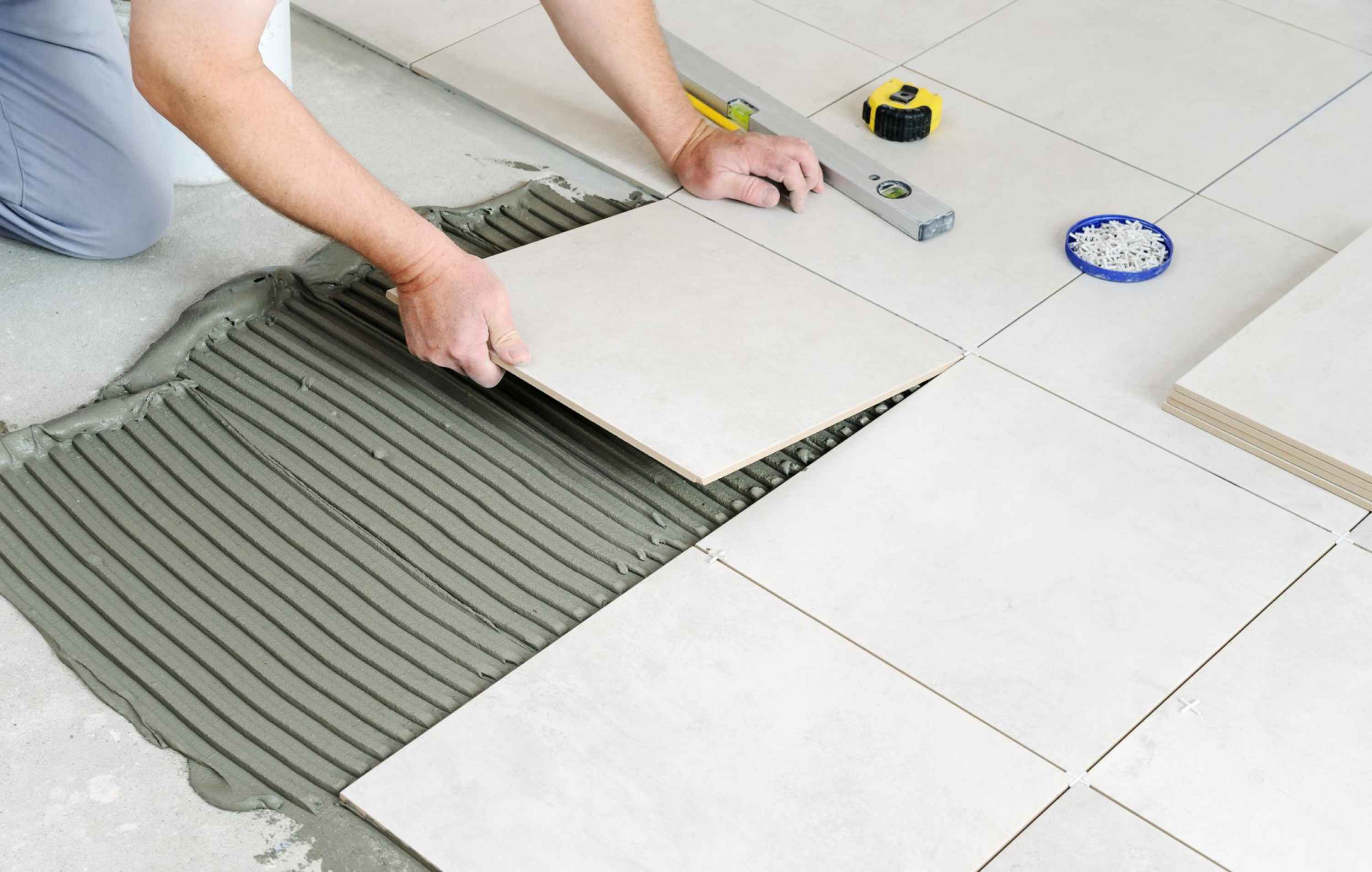
Ceramic tiling is a versatile and popular option for surfacing interior and exterior spaces, offering a blend of durability, affordability, and aesthetic appeal. Made from natural clay materials that are molded, glazed, and fired at high temperatures, ceramic tiles come in a wide range of sizes, shapes, colors, and finishes, making them suitable for various design styles and applications.

One of the key advantages of ceramic tiling is its durability. Ceramic tiles are inherently resistant to moisture, stains, scratches, and fading, making them an ideal choice for high-traffic areas such as kitchens, bathrooms, and entryways. Their robust nature ensures longevity and low maintenance, making them a cost-effective investment for homeowners and commercial property owners alike.

In addition to durability, ceramic tiling offers versatility in design. Whether replicating the look of natural stone, wood, or concrete, ceramic tiles can achieve a wide range of aesthetic effects to suit different preferences and architectural styles. From sleek and modern to rustic and traditional, the design possibilities are virtually endless with ceramic tiling.

Ceramic tiles are also known for their ease of installation. They are lightweight and relatively simple to cut and shape, allowing for efficient installation even in complex layouts and tight spaces. With proper preparation and installation techniques, ceramic tiling can result in seamless and uniform surfaces that enhance the overall look and functionality of a space.
Service_10
Mosaic Tiling

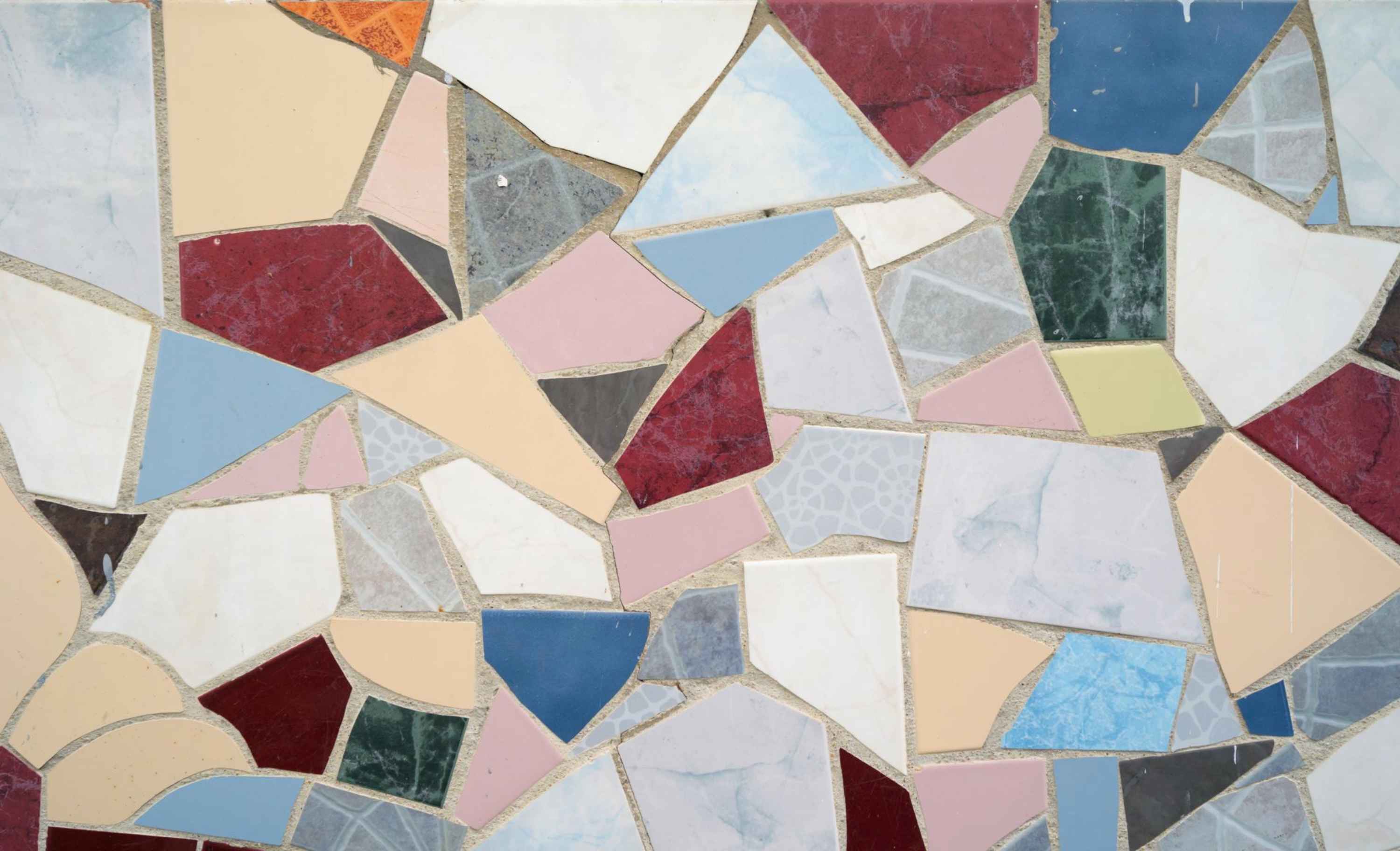
Mosaic tiling is an intricate and artistic form of tiling that involves the arrangement of small, often colorful, pieces of glass, ceramic, stone, or other materials to create stunning designs and patterns. Dating back thousands of years, mosaic tiling has been used in various cultures and civilizations to embellish architectural surfaces, from floors and walls to ceilings and domes.

One of the defining characteristics of mosaic tiling is its versatility in design. Mosaics offer endless possibilities for creativity, allowing artisans and designers to express intricate patterns, images, and motifs using tiny tiles known as tesserae. From geometric shapes and floral motifs to abstract compositions and figurative scenes, the design potential of mosaic tiling is limited only by imagination.

Beyond its aesthetic appeal, mosaic tiling also offers practical benefits. The small size of tesserae allows for detailed and precise installations, making it suitable for curved surfaces, irregular shapes, and areas with complex layouts. Mosaic tiles are also highly durable and resistant to wear, making them suitable for both interior and exterior applications in residential, commercial, and public spaces.

Moreover, mosaic tiling has a rich cultural and historical significance. Throughout history, mosaics have been used to depict religious, mythological, and narrative themes, serving as visual representations of cultural identity and artistic expression. Today, mosaic tiling continues to be celebrated for its ability to evoke emotion, tell stories, and create immersive environments that engage and inspire viewers.

Service_11
Stone Tiling

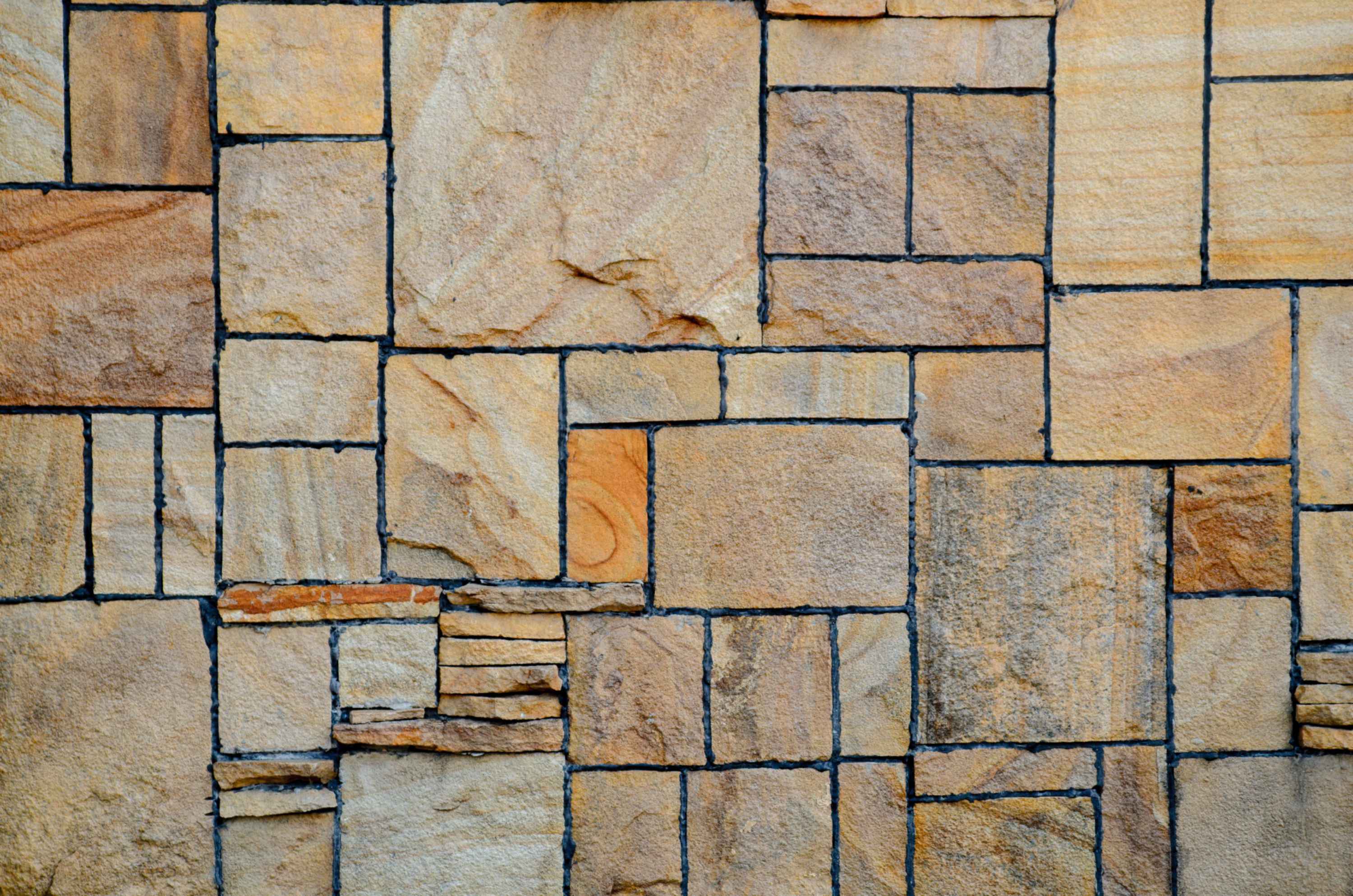
Stone tiling is a luxurious and enduring surfacing option that brings the timeless beauty and natural elegance of stone into residential and commercial spaces. Made from various types of natural stone, including marble, granite, limestone, travertine, and slate, stone tiles offer unique textures, colors, and patterns that add character and sophistication to any environment.

One of the key advantages of stone tiling is its natural beauty. Each piece of stone is unique, bearing distinctive veining, color variations, and surface characteristics that reflect the geological history of the material. From the classic elegance of marble to the rustic charm of slate, stone tiles evoke a sense of luxury and authenticity that enhances the aesthetic appeal of any space.

In addition to its aesthetic appeal, stone tiling is highly durable and resilient. Natural stone is renowned for its strength and longevity, capable of withstanding heavy foot traffic, moisture exposure, and temperature fluctuations without losing its beauty or structural integrity. As a result, stone tiles are ideal for high-traffic areas such as entryways, kitchens, and bathrooms, as well as outdoor spaces such as patios and pool decks.

Moreover, stone tiling offers versatility in design. Stone tiles come in a variety of sizes, shapes, and finishes, allowing for endless possibilities in terms of layout and composition. Whether creating a sleek and modern look with large-format tiles or adding rustic charm with irregularly shaped mosaic tiles, stone tiling can be customized to suit different design styles and preferences.